Climate-Controlled Car Storage in NYC: Pricing, Protection, and Who Needs It
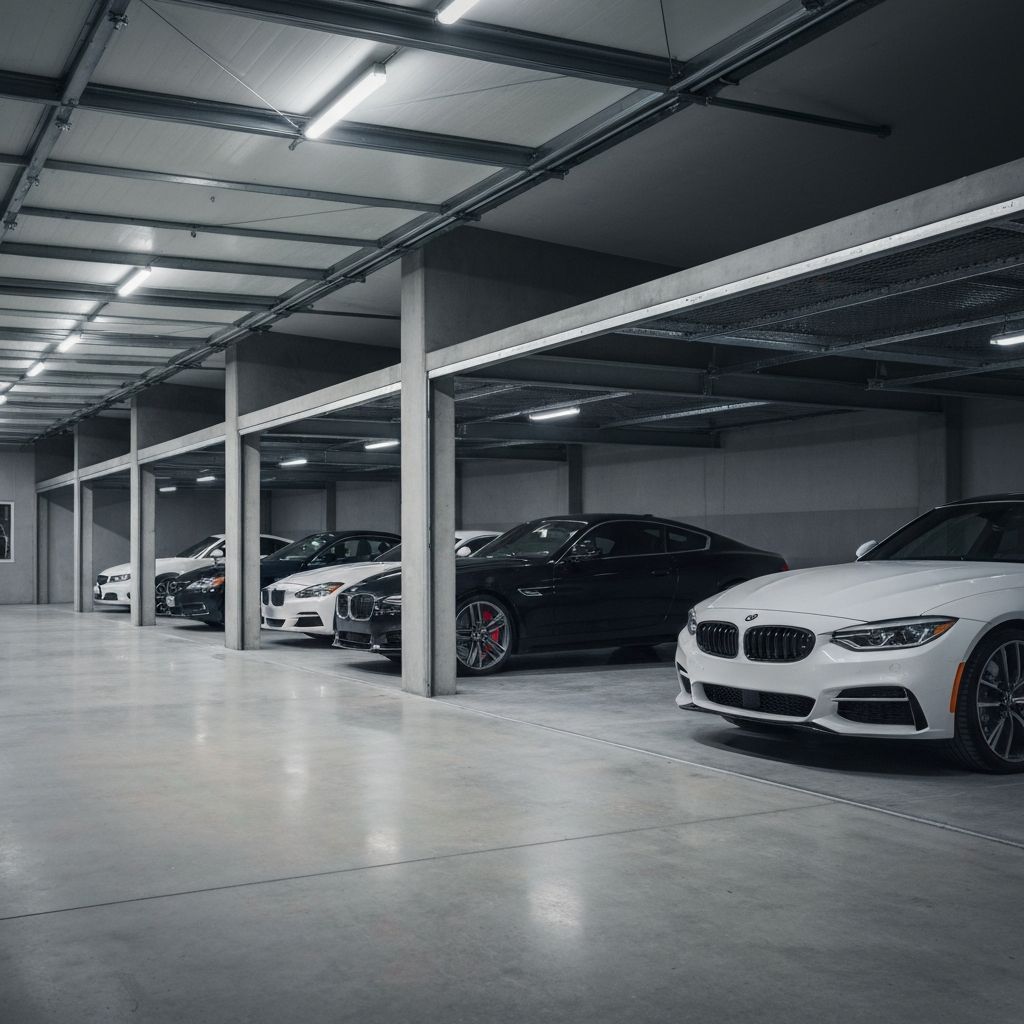
What Climate-Controlled Storage Actually Means
Climate-controlled car storage is marketed as premium protection. The reality is more specific than that. It is not about temperature preference. It is about preventing damage that accumulates when cars sit in uncontrolled environments.
For context, standard car storage in NYC offers shelter from weather, but temperature and humidity still fluctuate. That fluctuation is fine for most cars driven regularly. It is harmful for cars stored long term or vehicles sensitive to environmental degradation.
Climate-controlled storage maintains consistent temperature and low humidity. It is a narrow solution for specific vehicles and storage timeframes. Whether it makes sense depends on what you are protecting and how long the car will remain stationary.
Who Needs It
Climate-controlled storage is designed for vehicles with clear vulnerability:
- Classic or collectible cars. Older paint finishes, leather interiors, and original components degrade faster in humidity and temperature swings.
- Exotic or high-value vehicles. A McLaren or vintage Porsche stored for months benefits from environmental stability both for preservation and resale value.
- Long-term storage (6 months or longer). The longer a car sits idle, the more exposure compounds. Extended storage makes climate control more valuable.
- Vehicles with sensitive materials. Cars with premium leather, electronics prone to moisture damage, or rare finishes justify the premium.
For daily drivers, newer vehicles stored short term, or cars used frequently, climate control is unnecessary. Standard indoor storage offers sufficient protection at a lower cost.
What Damage It Prevents
Climate-controlled storage does not make your car immune to aging. It slows specific types of deterioration.
Humidity-related damage
- Corrosion on metal components and undercarriage
- Mold and mildew on seats, carpets, and headliners
- Electrical system degradation from moisture intrusion
- Rust formation on brake rotors and calipers
Temperature fluctuation damage
- Cracking and fading of leather and vinyl
- Paint deterioration from expansion and contraction cycles
- Seal and gasket degradation
- Battery performance decline from cold exposure
Long-term aging effects
Climate control does not stop aging, but it reduces accelerated wear. A car stored for three years in climate control will exit in noticeably better condition than one stored in a standard garage, particularly for soft materials, electronics, and components sensitive to oxidation.
NYC Pricing Ranges
Climate-controlled storage in New York City commands a premium. Pricing varies by facility quality, location, and services included.
Standard climate control
$800 to $1,500 per month. Basic temperature and humidity regulation without premium services.
Premium collector facilities
$1,500 to $3,000+ per month. Includes full surveillance, battery maintenance, concierge retrieval, and guaranteed environmental stability.
Outer borough options
$600 to $1,200 per month. Climate-controlled storage outside Manhattan trades proximity for cost savings.
Short-term premium
Short-term climate-controlled storage (1-3 months) typically includes a 20-30% markup over monthly rates.
For comparison, standard indoor storage without climate control runs $400 to $900 per month in most NYC locations. The premium for climate control is $300 to $800 additional per month, or $3,600 to $9,600 annually.
What to Ask a Facility
Not all facilities that advertise climate control deliver consistent environments. Before committing, verify specifics.
- What are the temperature and humidity ranges? Stable ranges (60-70°F, 40-50% humidity) are ideal. Wide fluctuations reduce the value of climate control.
- Is monitoring continuous or periodic? Facilities with 24/7 environmental monitoring offer higher reliability than manual adjustments.
- What happens during system failures? Backup systems and notification protocols matter if environmental control is interrupted.
- Is access restricted? The best facilities limit entry to preserve environmental stability and security.
- Are there additional services? Battery maintenance, covered retrieval, and regular inspections add value for long-term storage.
Alternatives If You Don't Need Climate Control
For vehicles that do not meet the climate control threshold, standard indoor storage provides sufficient protection at a fraction of the cost.
- Standard indoor garages. $400 to $900 per month in Manhattan, with lower pricing in outer boroughs. Protects from weather and theft without environmental regulation.
- Covered outdoor storage. $200 to $500 per month. Suitable for vehicles that will be used regularly or are not sensitive to temperature changes.
- Active maintenance instead of climate control. For vehicles stored short term, regular starts, fluid checks, and ventilation can reduce environmental damage without paying for climate regulation.
For drivers uncertain whether storing a car in NYC makes financial sense at all, read our guide on car storage in NYC.
Rytele Takeaway
Climate-controlled storage is worth the premium for specific vehicles: classics, exotics, long-term storage cases, and cars where preservation matters more than use frequency. It is not worth it for daily drivers, newer vehicles, or cars stored short term.
The decision is not about prestige. It is about matching storage to vehicle vulnerability. If your car will sit for months and has materials or value sensitive to environmental exposure, climate control justifies the cost. If not, standard indoor storage provides sufficient protection without the markup.
Climate control is insurance against long-term degradation. It works, but only when the vehicle and storage duration warrant the investment.