Car Storage in NYC: Costs, Options, and What to Know Before Choosing
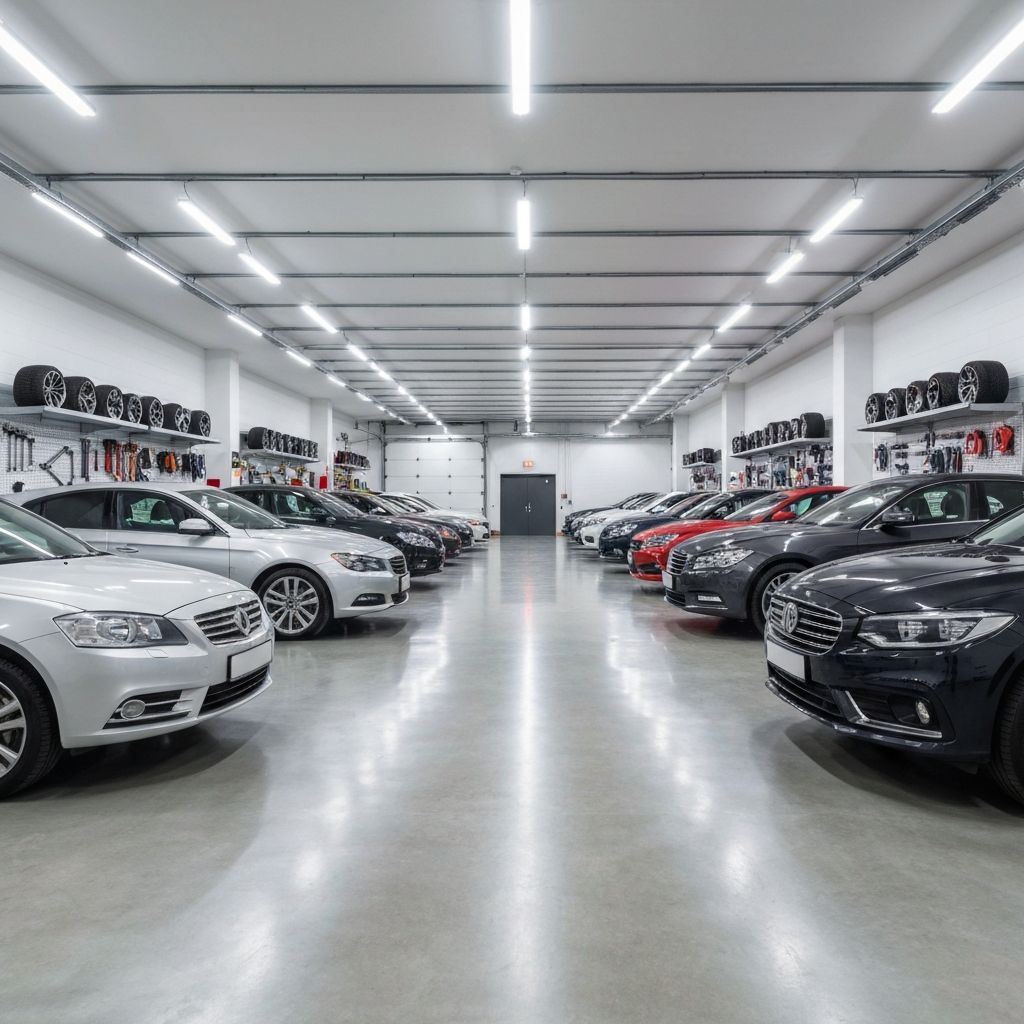
At a glance
In most cases, car storage in New York City is a lifestyle luxury, not a necessity. The numbers and tradeoffs matter more than the idea of having a car.
Typical monthly storage ranges
- Manhattan: 500 to 1,200 dollars
- Brooklyn: 350 to 600 dollars
- Queens: 200 to 450 dollars
- Premium storage: 1,000 to 3,000 plus
Before you decide
- Most people drive far less than they expect
- Cost compounds once you include insurance and tolls
- Environment and time add hidden wear and stress
Introduction
I grew up on the West Coast where having a car felt non negotiable. It represented freedom, convenience, and the ability to leave the city whenever you wanted. When I moved to Manhattan, I expected to bring a car or buy one here so I could keep that same sense of independence.
That mindset changed once I started researching real pricing and reasoning. Storage is expensive. Street parking is a nuisance and leaves your car exposed to fender benders and harsh East Coast conditions. Insurance increases. Time spent retrieving and returning the car adds up. The math does not favor ownership for most people.
In New York City, owning a car is a luxury, not a default. This guide walks through actual costs, common blind spots, and a simple decision framework to help you decide whether storing a car here makes sense for you.
The real costs of car storage in NYC
Monthly storage pricing
Storage pricing varies by borough, facility quality, and whether the garage is oriented toward everyday use or collector vehicles.
Manhattan indoor garages
500 to 1,200 dollars per month. Higher in luxury buildings or high demand neighborhoods.
Brooklyn indoor garages
350 to 600 dollars per month depending on distance to Manhattan and neighborhood demand.
Queens garages
200 to 450 dollars per month, with more outdoor and mixed options that trade price for exposure to weather.
Premium collector storage
Facilities such as high security or concierge style storage can range from 1,000 to 3,000 dollars or more per month. These are designed for collectible or high value vehicles that need climate control and elevated security.
Insurance adjustments
Most insurers classify Manhattan garaging as higher risk. It is common to see premiums rise by 10 to 35 percent for the same car compared with less dense areas. Collector policies can offset some of this if the vehicle is stored in a dedicated, secure facility, but storage cost remains the largest line item.
Additional costs people overlook
- Time spent traveling to and from the garage
- Extra time and fuel lost in traffic when leaving or reentering the city
- Tolls for bridges and tunnels on common routes
- Accelerated wear from salt, humidity, snow, and repeated freeze and thaw cycles
- Higher labor and parts costs when you need maintenance or repair work done in the city
Storage options in New York City
Street parking
Street parking looks free on paper but comes with serious tradeoffs. You accept a higher risk of cosmetic and structural damage, tickets, and weather exposure. For most people, this ends up being more stressful than it is worth.
- Frequent bumper taps, scratches, and dings
- Exposure to snow, salt, and humidity all year
- Ticket risk and time spent moving the car for street cleaning
- Higher theft or vandalism risk in certain neighborhoods
Standard indoor garages
Indoor garages are the most common choice for people who decide to keep a car in the city. They trade a higher monthly payment for basic security and weather protection.
Pros
- Reliable weather protection
- Moderate to strong security
- Predictable monthly pricing
- Often closer to home than outer borough options
Cons
- High monthly cost compared with actual usage
- Access hours or retrieval policies can be limiting
- Annual price increases are common
Premium collector storage
Premium or collector focused facilities are designed for cars that need to be protected more than they need to be used often. Think performance cars, classics, or emotionally important vehicles that would be painful or difficult to replace.
These facilities typically offer climate controlled environments, full surveillance, secure access, battery maintenance, and concierge style retrieval. Pricing starts around 1,000 dollars per month and can climb much higher depending on the level of service and the location.
What most people underestimate
The biggest gap between expectation and reality is not just the price of storage. It is how little the car actually gets used once you are living full time in Manhattan.
- How often they will drive. Daily life is covered by walking, the subway, and rideshare. A car becomes something you use a few times a month, not a few times a week.
- The fully loaded cost. A garage that looks like 500 dollars per month often ends up closer to 900 to 1,300 dollars when insurance, tolls, fuel, and maintenance are included.
- Environmental impact. Salt, snow, and moisture accelerate wear on brakes, suspension components, and bodywork.
- The time tax. Getting to and from the garage, coupled with traffic, turns every simple outing into a multi hour commitment.
Who should consider storing a car in NYC
There are people for whom car storage in New York City makes complete sense. The common thread is that the car directly supports how they live or work, and the cost sits comfortably within their budget.
- People who genuinely need to drive for work or client visits
- Collectors protecting high value or rare vehicles
- People who leave the city frequently for hobbies like golf, beach trips, or time in the mountains
- Individuals for whom 6,000 to 15,000 dollars per year in storage and related costs does not create financial pressure
Who should not store a car in NYC
- Casual drivers who only use a car a few times each month
- New residents who have not yet lived through a full year in the city
- Anyone focused on reducing expenses or building savings
- People who like the idea of owning a car more than they actually need one
- Anyone expecting storage to feel cheap or effortless once it is set up
A simple decision framework
You can make this decision more concrete by walking through a few specific questions.
- Do you realistically drive more than four times per month If yes, storage may be worth exploring. If no, it likely will not justify the cost.
- Is your car high value or difficult to replace If yes, indoor or premium storage makes more sense than street parking. If no, selling and renting when needed can be more rational.
- Does the cost feel like a convenience or a burden If paying for storage feels heavy or stressful, it is usually not the right choice.
- Could rentals, car sharing, or rideshare cover the same use cases In many situations, occasional rentals or car share services provide most of the freedom for a fraction of the annual cost.
Pros and cons of storing a car in NYC
Pros
- Easy access to beaches, mountains, and surrounding states
- Support for hobbies that start outside the subway map
- Protection for vehicles that matter to you financially or emotionally
- Freedom from street parking stress and ticket risk
Cons
- High monthly cost relative to how often most people drive
- Higher insurance and maintenance expenses
- Time lost getting to and from the garage
- Real risk of paying for a car that mostly sits still
Rytele Takeaway
Owning a car in New York City is possible, but it is rarely the default choice it might be in other parts of the country. What feels essential on the West Coast becomes a lifestyle upgrade in Manhattan. The key is being honest about how often you will use a car and what that freedom is actually worth to you.
If a car clearly supports your work, your hobbies, or a vehicle you truly want to protect, storage can make sense, especially with the right facility. If not, there are better ways to keep your life flexible without committing thousands of dollars each year to a car that mostly stays parked.
Before you sign a storage contract, compare the total annual cost of ownership with what you would spend on rentals, car sharing, and rideshare. In many cases, you will find that you can keep the same freedom with far less financial weight.